Website and App Testing: A Zero-Capital Side Hustle With No Experience Needed

- Primary Signal: Website and App Testing: A Zero-Capital Side Hustle With No Experience Needed
- Overview: User testing platforms pay ordinary people to try websites and apps and speak their thoughts aloud. Learn how it works, how to pass screeners, and why it suits spare hours rather t...
- Verification: Analyzed and compiled by Free2Rich Online editorial monitoring desk.
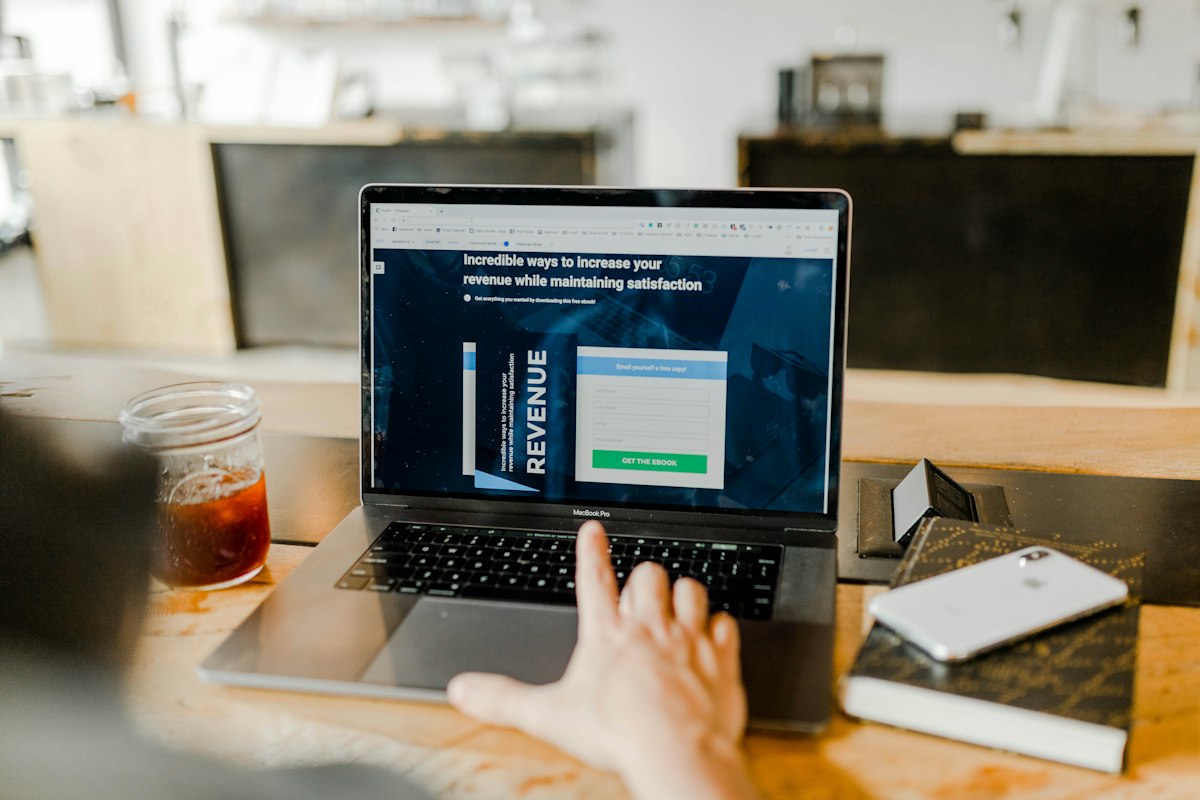
Website and app testing is one of the few side hustles that genuinely requires no experience, no portfolio, and no upfront payment. Companies pay for fresh eyes on their products: you complete a short task on a website or app while recording your screen and speaking your thoughts aloud, so designers can hear where users get confused, stuck, or frustrated. Tests usually last five to twenty minutes, and longer moderated sessions can run to an hour, with pay varying accordingly.
Signing up is free on the main platforms, but acceptance is not automatic. You will usually complete a short practice test that checks your microphone, your screen recording, and your ability to think aloud clearly rather than silently clicking through tasks. Speak continuously, describe what you expect to happen before you click, and say plainly when something confuses you, because silence is the most common reason practice tests fail, not technical skill.
Screeners are short questionnaires that match you to a test's target audience, and they are where most beginners lose patience. You will be asked about your age group, devices, habits, or job type, and many screeners will end without a test, because you are not the audience that study needs. Answer honestly every time: inventing answers to qualify may get you removed from a platform, while honest answers build a profile that matches you to suitable tests more often over time.
Pay is best understood as a useful hourly rate for active work, not as a steady salary. Short unmoderated tests commonly pay a small fixed amount per test, while moderated interviews pay substantially more, but tests are not available on demand all day. Many testers report a few tests a week rather than a daily stream, so testing fits spare hours, evenings, or a lunch break, and it pairs well with other flexible work rather than replacing a job on its own.
Your setup does not need to be expensive, but it does need to be reliable. A quiet room, a working microphone, a stable internet connection, and a device that can record its screen are the essentials, and most modern phones and laptops already meet them. Test your audio before each session, close noisy tabs and notifications, and follow the test instructions exactly, including thinking aloud from the first screen rather than waiting until you are stuck.
Good testers share a few habits that platforms notice. They complete tests promptly after accepting them, they give specific feedback with examples, they avoid leading the task by guessing what the company wants to hear, and they report technical problems honestly instead of abandoning a test silently. Platforms track quality ratings, and testers with strong ratings tend to receive more invitations, so treating each short test professionally pays off over months even though each test alone is small.
Start by joining one or two reputable platforms, completing your profile fully, and passing the practice test without rushing it. Set aside a few short windows each week to check for tests, keep a note of which screeners you pass and fail, and judge the hustle after a month of consistent checking. If testing fits your schedule and you enjoy noticing how websites work, it can become a reliable small income stream; if tests are scarce in your region, you will know quickly and can move on without having spent anything.
One habit separates testers who keep getting invited from those who fade away: treating feedback as a craft rather than a chore. After each test, ask yourself whether a designer reading your comments could actually find and fix the problem you described, and whether you explained what you expected, what happened, and why it confused you. That three-part structure takes only seconds longer to speak, yet it transforms vague reactions into usable evidence, and platforms notice the difference quickly. Over time, clearer feedback earns more invitations, better-paid studies, and a reputation that makes this small hustle steadily more rewarding.
📖 Continue Reading the Full Story
Continue reading this article on Free2Rich Online.
⚡ Access Full Content NowMore from Free2Rich Online


 🎁 Get Rich Free
Side hustles you can start from your phone today: A Practical Beginner's Guide
This guide explains side hustles you can start from your phone today in plain language, with practical steps, ...
 💎 Try2Rich
How to Rent Out Your Garage for Storage Income: A Practical Guide
An empty garage is rentable space. Learn how storage rental platforms work, what to charge, and how to protect...
 📦 Free2Rich Vault
Best Free Invoice Generators for Freelancers in 2026 (No Sign-Up Needed for Some)
A free invoice generator turns a few details into a clean PDF in minutes. Learn which types suit you, what to ...
 📈 1UpTrade Live
How to Check If a Website Is Down (5 Free Ways)
Is it down for everyone or just you? Five free ways to check if a website is down, plus how to tell the differ...