The 50/30/20 Budget Rule for Irregular Freelance Income
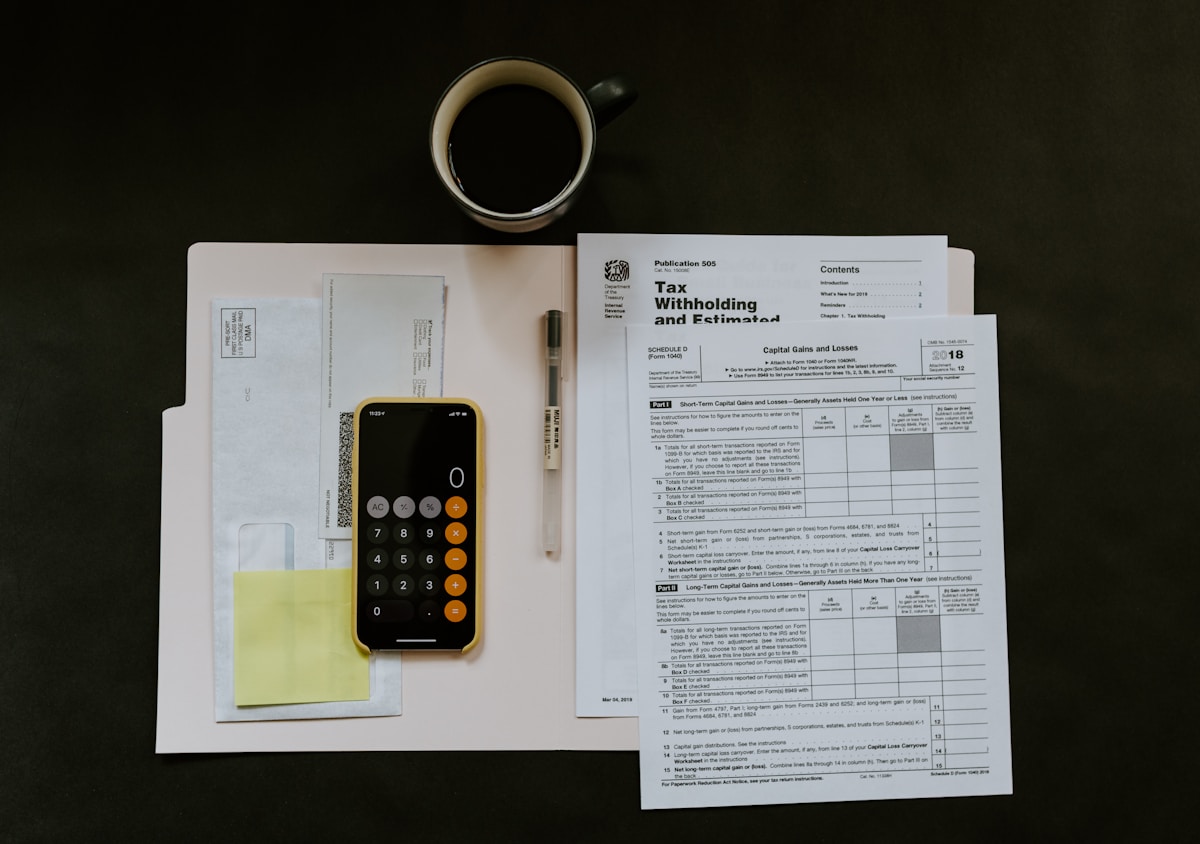
- Primary Signal: The 50/30/20 Budget Rule for Irregular Freelance Income
- Overview: The 50/30/20 rule assumes a steady paycheck, which freelancers don't have. Budget from your baseline month, save before you spend, and build a buffer from surplus months to make th...
- Verification: Analyzed and compiled by Free2Rich Online editorial monitoring desk.
The 50/30/20 rule is a classic budgeting framework: fifty percent of after-tax income to needs, thirty percent to wants, and twenty percent to savings and debt repayment. It is simple, memorable, and widely recommended. But freelancers quickly discover the problem: income that swings wildly from month to month makes fixed percentages feel useless. In a great month the rule is easy; in a lean month it is impossible. The answer is not to abandon the rule but to adapt it to irregular income.
The first adaptation is to budget from your baseline, not your average. Look at your last twelve months of income and find your typical low month — the number you can usually count on. Build your 50/30/20 split on that baseline figure, not on your best month. Needs are covered first from baseline income, and everything above baseline gets treated as a bonus to be allocated deliberately, not absorbed by lifestyle creep. This way, lean months are survivable and good months become progress rather than spending sprees.
Second, flip the order of operations. Salaried workers can let percentages sort themselves out. Freelancers should pay themselves first: when income lands, immediately move the savings slice — the twenty percent — into a separate account. What remains is what you budget with. This simple reversal is the single most effective freelancer budgeting habit, because money left in a spending account has a way of finding a use. If twenty percent is impossible in a slow month, use a smaller fixed percentage and keep the habit alive.
Third, turn the rule into a buffer system. In strong months, after covering needs and the savings slice, put the surplus into a holding account rather than spending it. In weak months, draw from that buffer to cover needs. Over time, the buffer smooths your income into something closer to a salary. Many freelancers aim for a buffer of one to three months of essential expenses, built gradually from surplus months. The buffer is not a savings account for goals — it is income insurance.
Fourth, be willing to adjust the ratios by season. During a growth phase or while paying off debt, a 50/20/30 split — more toward savings and debt — may serve you better. During a dry spell, protecting the fifty percent for needs and shrinking wants to whatever is left is the honest version of the rule. The percentages are a compass, not a contract. What matters is that every month has a plan for needs, a line for wants, and something set aside for the future.
Finally, review once a month, briefly. Compare what you planned with what actually happened, note one thing to improve, and move on. Freelancer budgeting fails when it becomes a guilt exercise or an elaborate spreadsheet nobody opens. The 50/30/20 rule works for irregular income precisely because it is simple enough to keep using — and a simple plan followed beats a perfect plan abandoned.
Freelancers must also remember that the twenty percent slice covers more than savings: it should include money set aside for taxes and business expenses. A common approach is to split incoming payments immediately — a portion to a tax account, a portion to savings, and the rest to spending. The exact split depends on your tax situation, but the principle is the same as the budget rule: separate the money before you can spend it. Freelancers who treat every payment as fully spendable income are the ones who face a painful tax bill or a dry month with nothing reserved. Building taxes into the system from the start keeps the 50/30/20 framework honest.
📖 Continue Reading the Full Story
Continue reading this article on Free2Rich Online.
⚡ Access Full Content NowMore from Free2Rich Online



 📦 Free2Rich Vault
Zero-Based Budgeting Method for Freelancers With Irregular Income
How freelancers with unpredictable pay can use zero-based budgeting: assigning every incoming payment a job, b...
📈 FreeRich FIRE
How to Create a Zero-Based Budget: A Step-by-Step Guide for Beginners
A zero-based budget gives every dollar of income a job before the month begins. Learn the exact steps to build...
 💵 GetRichFree Store
Best Free Budgeting Apps for Beginners in 2026
You do not need to pay for a budgeting app. Compare free automatic trackers, manual envelope apps, and the hum...
🚀 RocketCoin Casino
Is Crypto Gambling Legal in Australia 2026? Interactive Gambling Act, ACMA Rules, and the Crypto Angle
Is crypto gambling legal in australia 2026? The short answer: licensed domestic online casinos do not exist fo...